
Sports & Performance Psychology
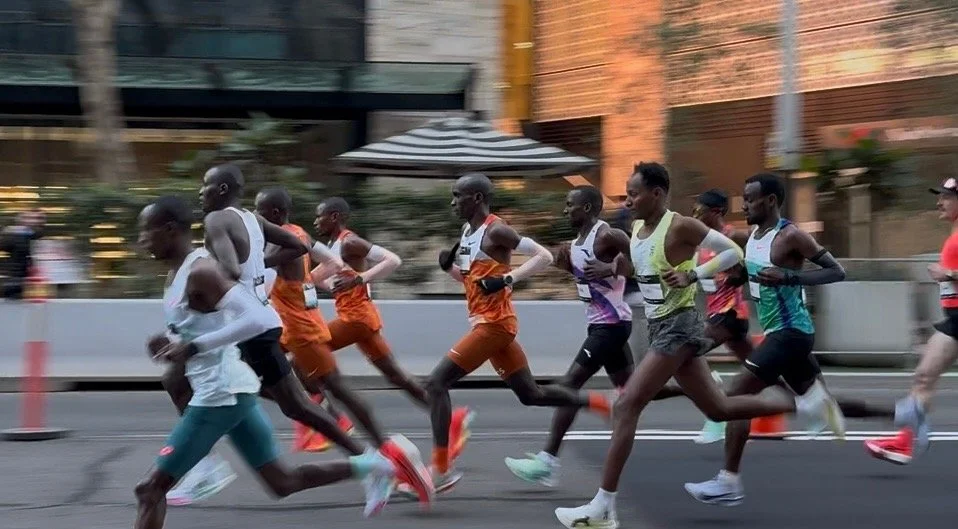
Your body is ready. Is your head in the game?
Immediate appointments available.
In-person in North Parramatta. Telehealth across Australia. Adults and teens.
SOUND FAMILIAR?
You've done the physical work. The mental side is the gap.
You train hard. You've got the skills. But performance isn't only physical — and the mental side is where a lot of athletes quietly come undone. The good news: the mind can be trained like anything else.
Performance psychology can help with things like:
Nerves or anxiety before competition or performance
Choking, freezing, or underperforming on the big day
Losing focus or confidence at key moments
Staying motivated through training loads and setbacks
Coming back mentally after injury
Managing the pressure of expectation — your own and others'
Slumps, plateaus, or a dip in enjoyment
Balancing sport with the rest of your life
WHO YOU’D WORK WITH
Clint knows performance — from both sides
Clint doesn't just talk about performance. He's worked at the elite level, and he lives the demands of training and competition himself.
Clint Marlborough is a psychologist and co-founder of Revolution Psychology. He has worked in genuinely high-stakes, high-pressure environments throughout his career — including as a psychology officer in the Australian Defence Force. In sport, he has worked with elite athletes, including time with an NRL club, and as a production psychologist on reality television, where he worked closely with Olympians and well-known sporting figures under intense pressure and scrutiny.
And he lives it himself
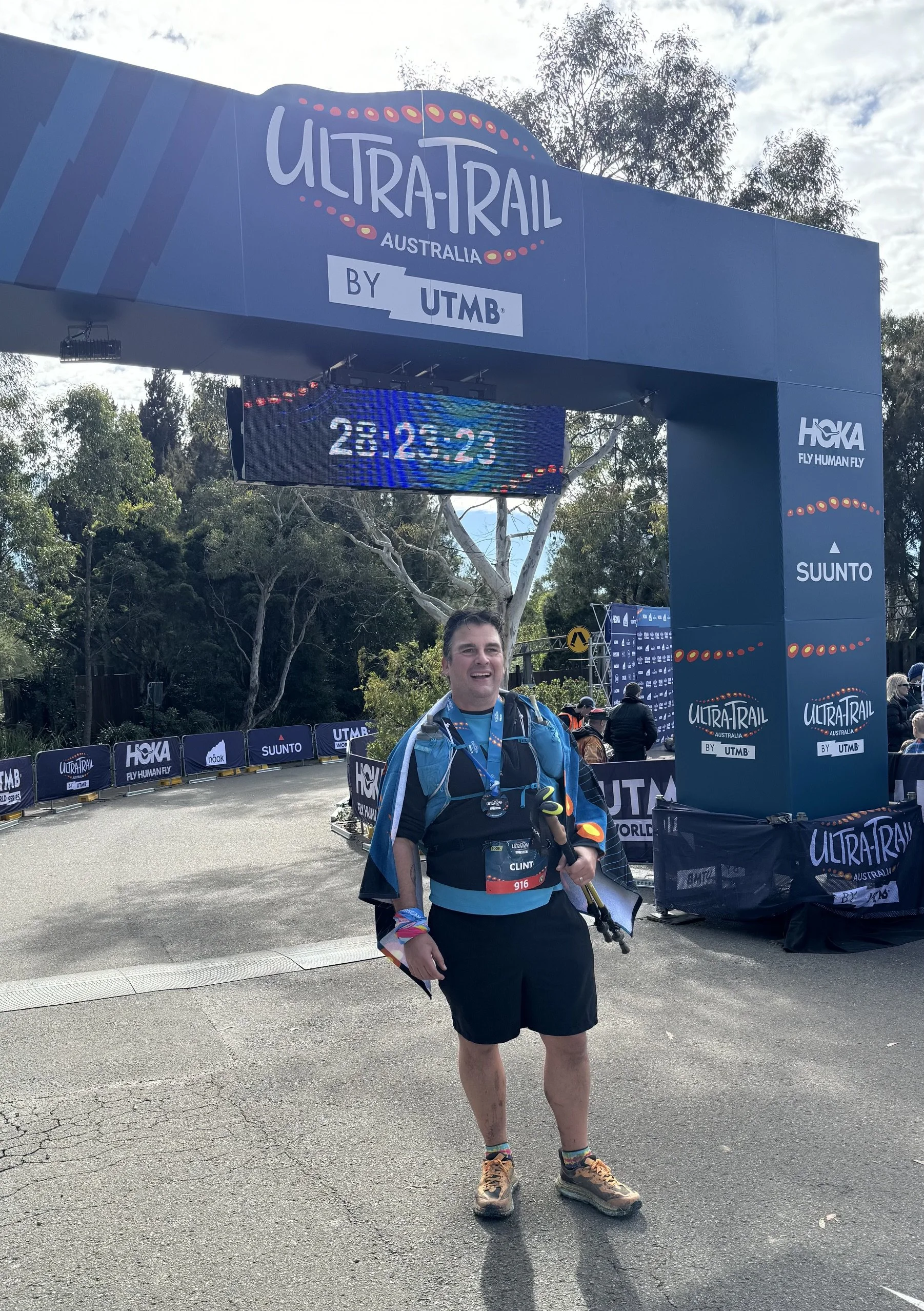
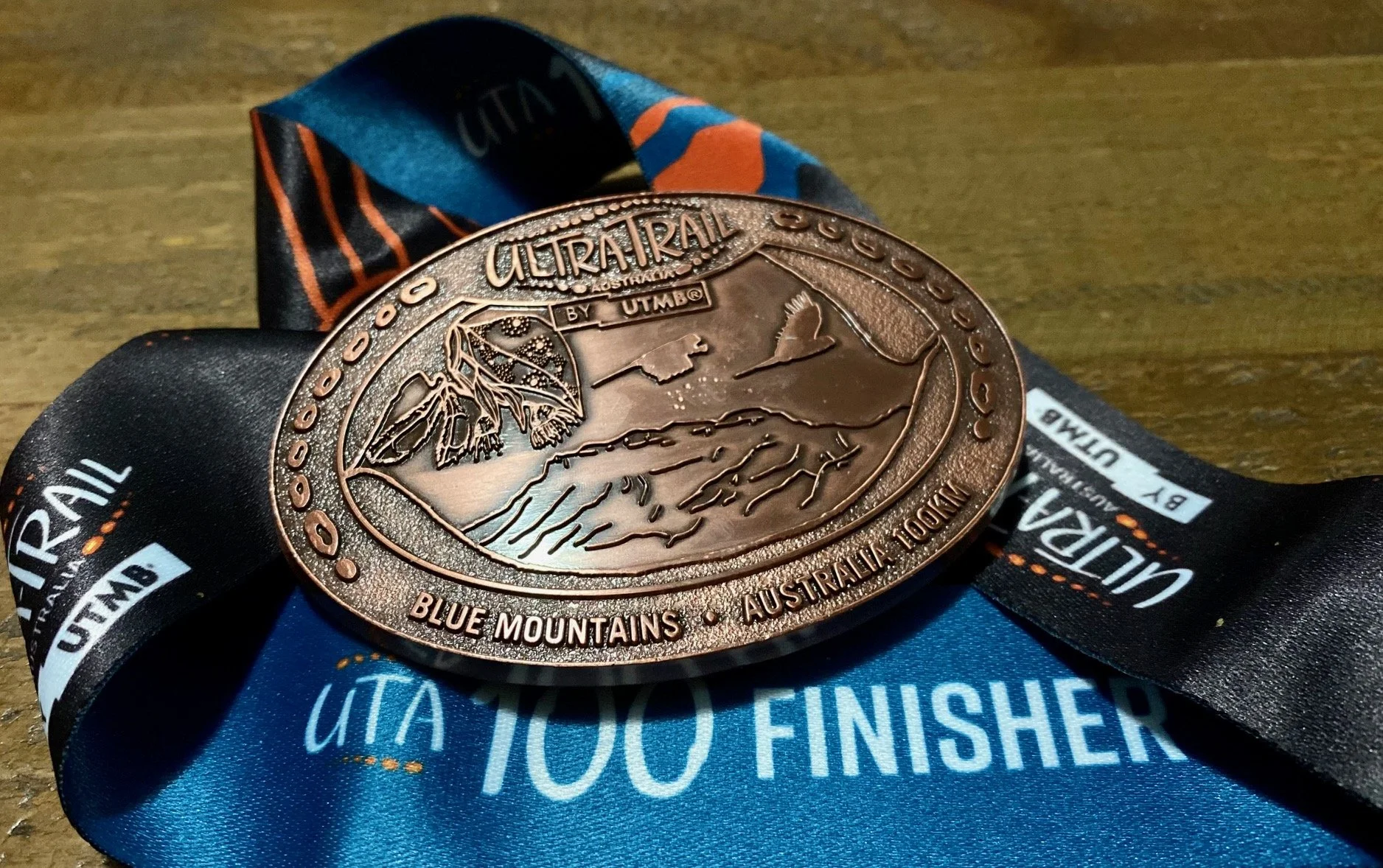
Clint is also an avid runner with a particular love of ultra-endurance events. He's lined up for the Ultra-Trail Australia 100km four times — earning a finisher's buckle, experiencing a DNF (did not finish), and, in his own words, proudly setting "the record for the fastest last place." He knows from the inside what it is to chase a goal, push through discomfort, sit with disappointment, and front up again. That's not theory — that's lived experience of exactly the mental terrain his clients are working through.
"I've had the buckle, I've had the DNF, and I once set the record for the fastest last place. I know what it takes to front up again."
WHO IS IT FOR?
Athletes and high performers at every level
You don't have to be elite to benefit from performance psychology. Clint works with:
Competitive and elite athletes
Amateur and weekend competitors
Endurance and individual-sport athletes
Team-sport players
Athletes returning from injury
High performers outside sport, too
Whether you're chasing a podium, a personal best, or just want your head to back your body when it counts, the mental side is trainable — and worth training.
HOW CLINT WORKS
Practical mental skills you can actually use
This isn't vague "mindset" talk. It's practical, evidence-based mental-skills training — tools you can take straight into training and competition. Clint uses a variety of techniques to enhance an athlete's performance, including improving focus and confidence, managing pressure, and fostering resilience. Depending on what you're working on, the work may draw on:
Attention & composure — practical techniques for staying present and composed under pressure, and refocusing when it slips.
Pre-performance routines — building consistent mental routines so you can perform closer to your best, more often.
Acceptance & Commitment Therapy — working with nerves, doubt and pressure rather than fighting them, and staying connected to what drives you.
Cognitive Behavioural strategies — understanding and shifting the thinking patterns that get in the way when it counts.
Motivation & goal-setting — practical approaches to staying driven through training loads, setbacks, and the long haul.
Positive psychology — building on your strengths, what's working, and what you enjoy about your sport, rather than only fixing what's going wrong.
COMMON QUESTIONS
Sport & performance psychology — your questions
Is this only for elite athletes?
Not at all. The same mental skills that help professionals help weekend competitors and amateurs too. If your mind gets in the way of your performance or enjoyment, this work can help — wherever you're at.
Isn't the mental side just about "toughening up"?
No. It's about training specific, practical skills — focus, composure, routines, managing pressure — the same way you train physically. "Just toughen up" isn't a method; this is.
Do you work with my coach or team?
Where it's useful and you're comfortable with it, Clint can work alongside your coaching setup. Often, though, this is your own space to develop the mental side of your game.
Can I claim Medicare or do this online?
Performance psychology is generally a private service rather than a Medicare item, though if there's a mental health component a GP plan may apply — we can talk it through. Sessions are available in person in North Parramatta or via telehealth across Australia.
How many sessions will I need?
It varies — some people come for a specific challenge ahead of an event, others work on the mental side over a season. We'll talk about what makes sense for your goals on the first call.
Train the mind like you train the body
If the mental side is the gap between you and your best, it's worth working on. A free 15-minute call with Clint is a straightforward first step — no commitment, just a conversation about what you're chasing and how he can help.