

Trauma & Complex Trauma
For people who have always just gotten through it
In-person in North Parramatta. Telehealth across Australia. Adults and teens.
YOU MIGHT RECOGNISE THIS
Trauma doesn’t always look like trauma
Sometimes it looks like coping. Like being the strong one. Like getting on with it because that's what you've always done. Many of the people we work with don't even use the word "trauma" at first — they just know something isn't right, and has felt that way for a long time.
"Everyone thinks I'm coping so well. They have no idea how hard I'm working to hold it together."
You're capable, reliable, the person others lean on. Underneath, you're exhausted, on edge, and you've been carrying something for years that you've never really put down
"I'm fine. I just don't sleep much, I'm short with everyone, and I can't switch off."
You deal with things by pushing through. But the short fuse, the flatness, the feeling of being constantly on alert — that's not just stress. It can be how trauma shows up when you've never had the space to deal with it.

Free Initial Consultation
Free 15 min initial call.
No referral needed.
Medicare
Rebates available with
a Mental Health Plan.
In Person
+ Online
North Parramatta clinic
or telehealth Australia-wide.
"You got through it. Everyone said how strong you were. Nobody asked if you were okay."
Getting through something is not the same as getting over it. You can function, succeed, look completely fine and still be carrying the weight of things that were never properly dealt with.
UNDERSTANDING IT
What is trauma, and what is complex trauma?
Trauma / PTSD
The lasting impact of an experience that overwhelmed your ability to cope. A single event — an accident, assault, or loss — that leaves you stuck: on edge, disconnected, unable to move past what happened.
Complex Trauma / CPTSD
Develops from repeated or prolonged experiences, often over years or in childhood. Because it builds gradually, many people don't recognise it as trauma at all — it shapes how safe you feel, how easily you trust, how connected you feel to yourself.
Signs it might be worth support
How trauma shows up, sometimes years later
Trauma rarely announces itself. Often it shows up in ways people don't connect to what they've been through.
Feeling on edge or unable to relax
A short fuse, reacting more strongly than expected
Avoiding certain places, people, or reminders
A persistent sense of shame
Trouble sleeping or a racing mind at night
Feeling numb, flat, or disconnected
Finding it hard to trust or feel safe
Coping by overworking or staying busy
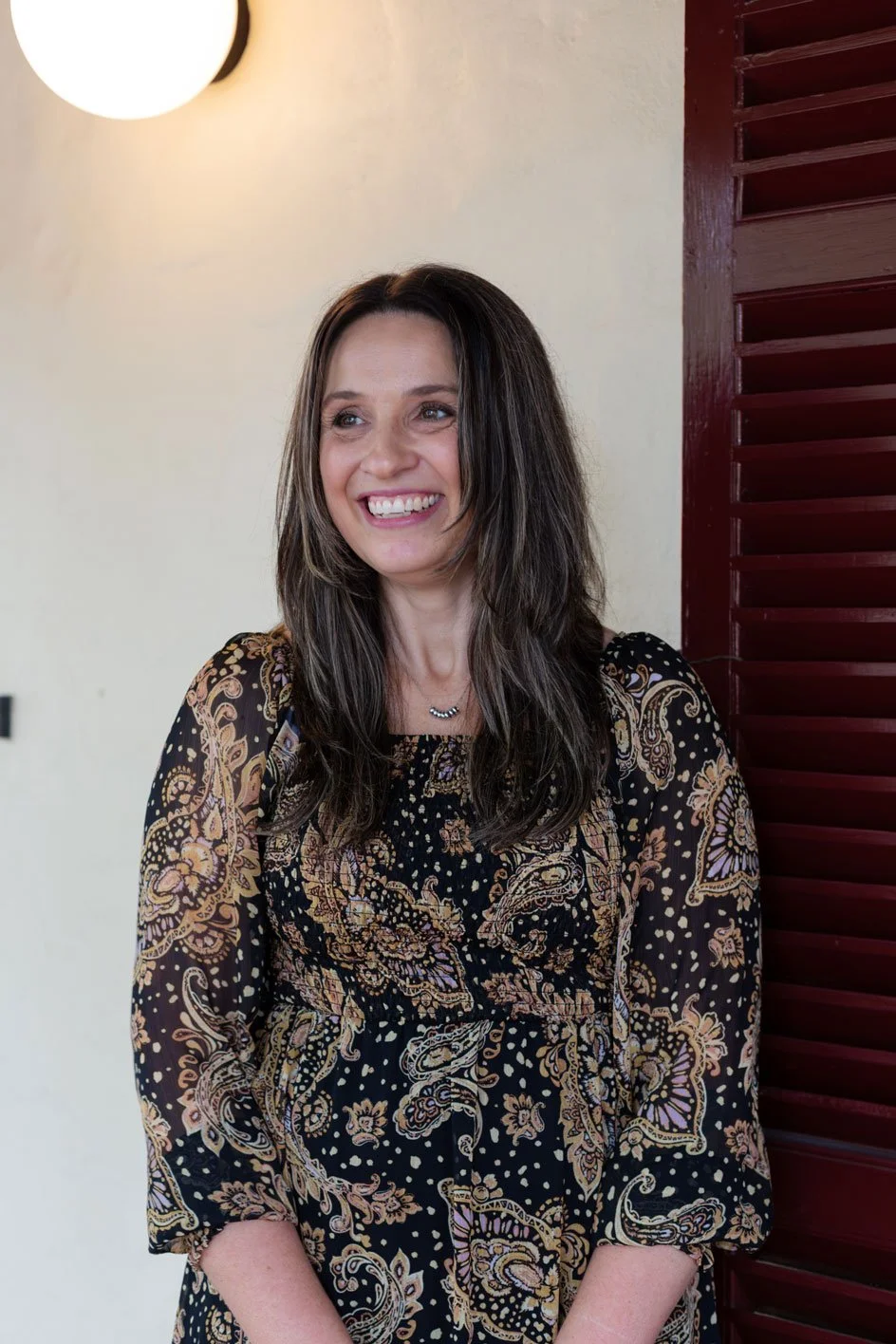
Cassie Garling
-
With 15 years of experience, Cassie works with people navigating trauma, eating disorders, anxiety, and the challenge of building a healthier relationship with themselves. Her approach is holistic and person-centred, drawing on CBT, DBT, psychodynamic therapy, ego state therapy, and Breathwork to help you understand how difficulties developed and what is keeping you stuck. Cassie's therapy goes beyond symptom relief. It is about helping you reconnect with yourself, regulate your nervous system, and create lasting change. She also offers trauma-informed support for adults with ADHD, recognising how closely its effects can mirror those of trauma. Warm, down-to-earth, and genuinely committed to your healing, Cassie is currently accepting clients aged 12 and older and has immediate availability.
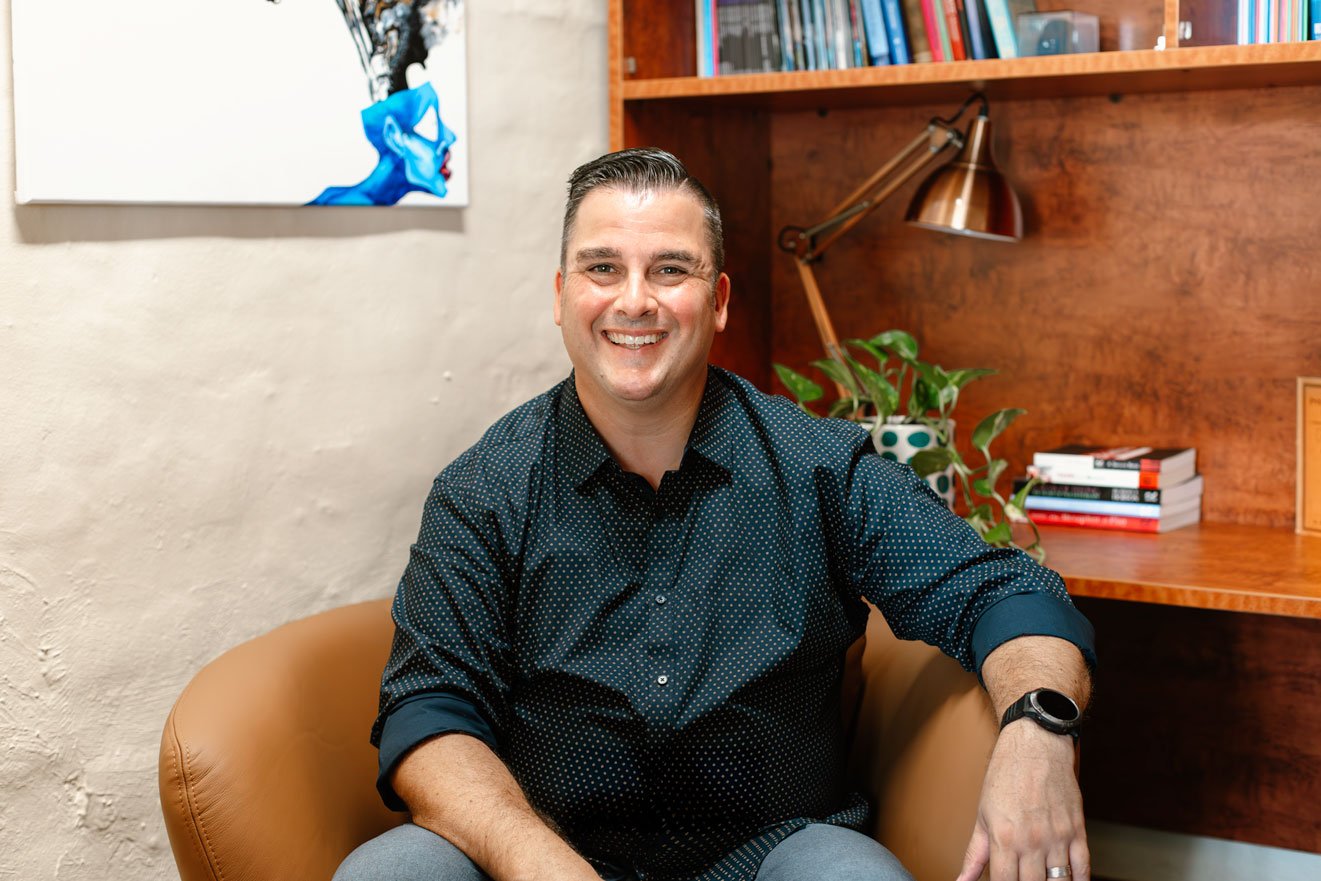
Clint Marlborough
-
With over 25 years of experience, Clint works with people carrying complex and developmental trauma, anxiety, depression, and the effects of high-pressure or life-altering experiences. His approach draws on Cognitive Behaviour Therapy and psychodynamic psychotherapy within the Conversational Model, which is both practical and relational. It helps you understand how the past may still be shaping the present, while building strategies to manage distress and strengthen resilience day to day. Clint has worked across private practice, public mental health, the Australian Defence Force, and as a production psychologist on programs including Survivor and SAS Australia. He values the therapeutic relationship above all, believing change happens when you feel genuinely safe and understood. Clint is currently accepting new clients and has immediate availability.
HOW WE HELP
How we work with trauma
We take time to understand your story, then draw on evidence-based approaches suited to you. The pace is always yours.
Understand the patterns trauma creates in how you think and respond, and build different ways forward.
Cognitive Behavioural Therapy
Relate differently to painful thoughts and reconnect with what matters to you.
Acceptance & Commitment Therapy
Working with how trauma is held in the body, to help your nervous system settle.
Somatic-based Therapy
Exploring the deeper, longstanding patterns beneath how you feel and relate today.
Psychodynamic Psychotherapy
Helping the brain process distressing memories so they lose their hold on the present.
EMDR
Understanding and making peace with the different parts of yourself shaped by what you've been through.
Internal Family Systems
Practical skills for managing intense emotions and staying steady when things feel overwhelming.
Dialectical Behaviour Therapy
WHAT CHANGES
What this work makes possible
Not dwelling on the past. Loosening its grip on your present.
01
Sleeping without a racing mind at 3am
02
Responding to loved ones from a calmer place
03
Feeling present at work, at home, in your own life
04
Feeling more like yourself again
05
Carrying less shame about what you've been through
06
Trusting yourself and others a little more easily
07
COMMON QUESTIONS
Your questions, answered
Do I need a PTSD diagnosis to come?
No. No diagnosis, no referral, no right words needed. If something still affects you, or you just feel off, that's enough reason to reach out.
What's the difference between PTSD and complex PTSD?
PTSD typically follows a single event. Complex PTSD develops from repeated or prolonged experiences and can affect your sense of safety, trust, and identity more broadly. We work with both.
Will I have to talk about it in detail straight away?
No. Good trauma therapy never forces you to relive anything before you're ready. Early sessions focus on safety and understanding your story at your pace.
Can I use Medicare?
Yes, with a Mental Health Treatment Plan from your GP. You don't need one to book a free call, only to claim the rebate.
Is it available online or only in person?
Both. In person in North Parramatta, or telehealth anywhere in Australia. Many people find telehealth works well for trauma work.
You've carried this long enough
Book a free 15-minute call with Cassie or Clint.
No commitment, no paperwork.
Just a conversation to see if we're the right fit.